
Have you noticed a narrow mud tube along your foundation or found discarded insect wings near a window? These could be signs of termites in your Arizona home.
Termites swarm in the winter months, but they’re a year-round concern in the Phoenix area. Because they often remain hidden, homeowners may not notice a problem right away.
Knowing what to look for can help you recognize potential termite activity and determine when an inspection makes sense.
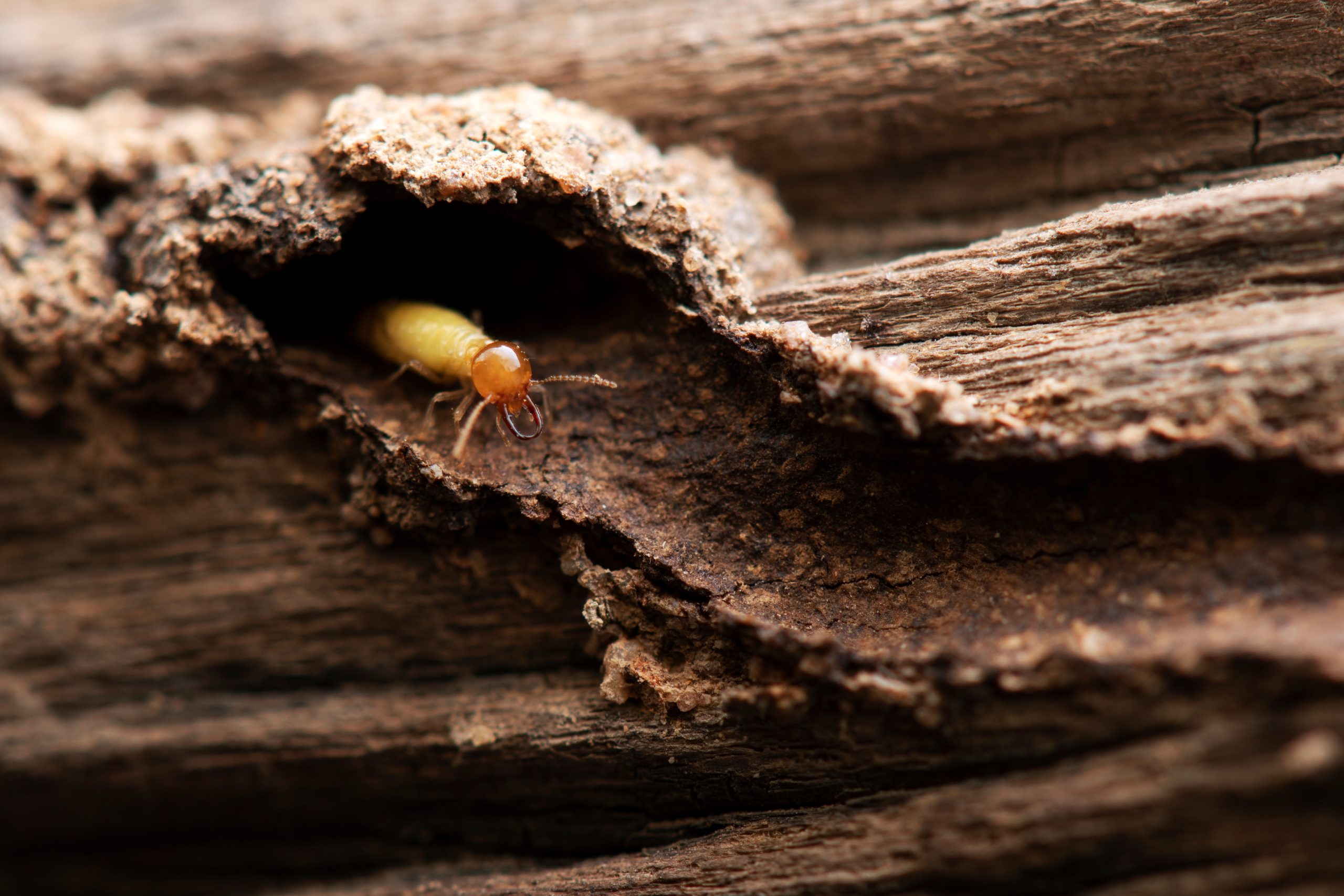
Subterranean termites build narrow, soil-based tunnels. Mud tubes help them travel between their colony and food sources while maintaining moisture. Termite mud tubes may appear along foundations, garage walls, or other surfaces near the ground.
However, finding an old tube doesn’t necessarily mean termites are currently active.
Termites produce winged reproductive insects called swarmers. After leaving their colony, these termites shed their wings.
You may discover small piles of similarly sized wings near windowsills, doors, or light fixtures. Flying ants can look similar, so correctly identifying the insects before deciding on treatment is important.
Termites consume cellulose, a material found in wood and other plant-based products. As they feed, they can create hidden galleries inside wooden structures.
Wood that sounds hollow when tapped, crumbles unexpectedly, or shows unusual internal damage may mean termite damage. However, these symptoms can also have other causes, so further investigation is key.
Bubbling paint, peeling finishes, or distorted surfaces can sometimes be a sign of termite damage beneath the surface.
These changes aren’t reliable proof of termites on their own. Moisture problems, aging materials, and ordinary wear can create similar symptoms. Look for other signs of termite damage before drawing conclusions.
Changes to wooden framing can occasionally affect how doors and windows open or close.
However, Phoenix homeowners should remember that temperature fluctuations, settling, and moisture changes can also cause sticking. Consider this a possible clue, not a definitive sign of termites.
Small openings in wood or piles of tiny, dry pellets may signal certain wood-destroying insects.
Drywood termites can leave behind distinctive pellets, while Arizona’s common subterranean termites typically produce different evidence. Proper identification helps determine whether termites or another pest are responsible.
Worker termites are generally pale and soft-bodied, while reproductive termites may have darker bodies and wings.
If you notice insects emerging from wood, soil, or structural openings, photograph them when possible. Avoid disturbing suspected activity unnecessarily, and have the insects identified.
Unfortunately, you can have termites and not see them. Subterranean termites often travel through soil, concealed tunnels, and protected areas. Their activity can be difficult to detect.
Phoenix homes with slab foundations, attached garages, and irrigation near exterior walls may have areas where evidence isn’t immediately visible. Understanding what causes termites can help you recognize conditions that may contribute to termite activity.
Although Arizona winters are relatively mild, termite behavior can change with temperature and moisture.
If you discover suspicious damage, mud tubes, or discarded wings, start by documenting what you’ve found.
Take clear photographs, note the location, and avoid disturbing suspected termite activity. Don’t assume household sprays or surface treatments will resolve a colony hidden underground or inside structural materials.
A professional inspection can help determine whether termites are responsible and what treatment options may be appropriate.
Recognizing the signs of termites in Arizona doesn’t require becoming a pest expert. Knowing what to watch for and when to seek professional guidance can help you make informed decisions about protecting your home.
EcoGuard Pest Control provides termite control services in Phoenix. Our technicians can evaluate accessible areas, look for evidence of termite activity, and recommend treatment options based on your property’s conditions.
We can also discuss available termite warranty coverage during the service process.
Need help identifying a possible termite infestation? Call us or request a quote today!


Ecoguard Pest Control © 2022